

Walk through any fabric market in Lagos or Accra, and you will see the same vibrant prints in two distinct weights and hands. Some bolts feel soft and substantial, while others feel smooth and lightweight. Both carry the name wax print, yet they come from completely different fibers. As a result, the two fabrics behave very differently in the workshop, in the wash, and on the body. This guide breaks down the cotton vs polyester wax print debate so you can choose the right fabric for your market, your budget, and your end customers.
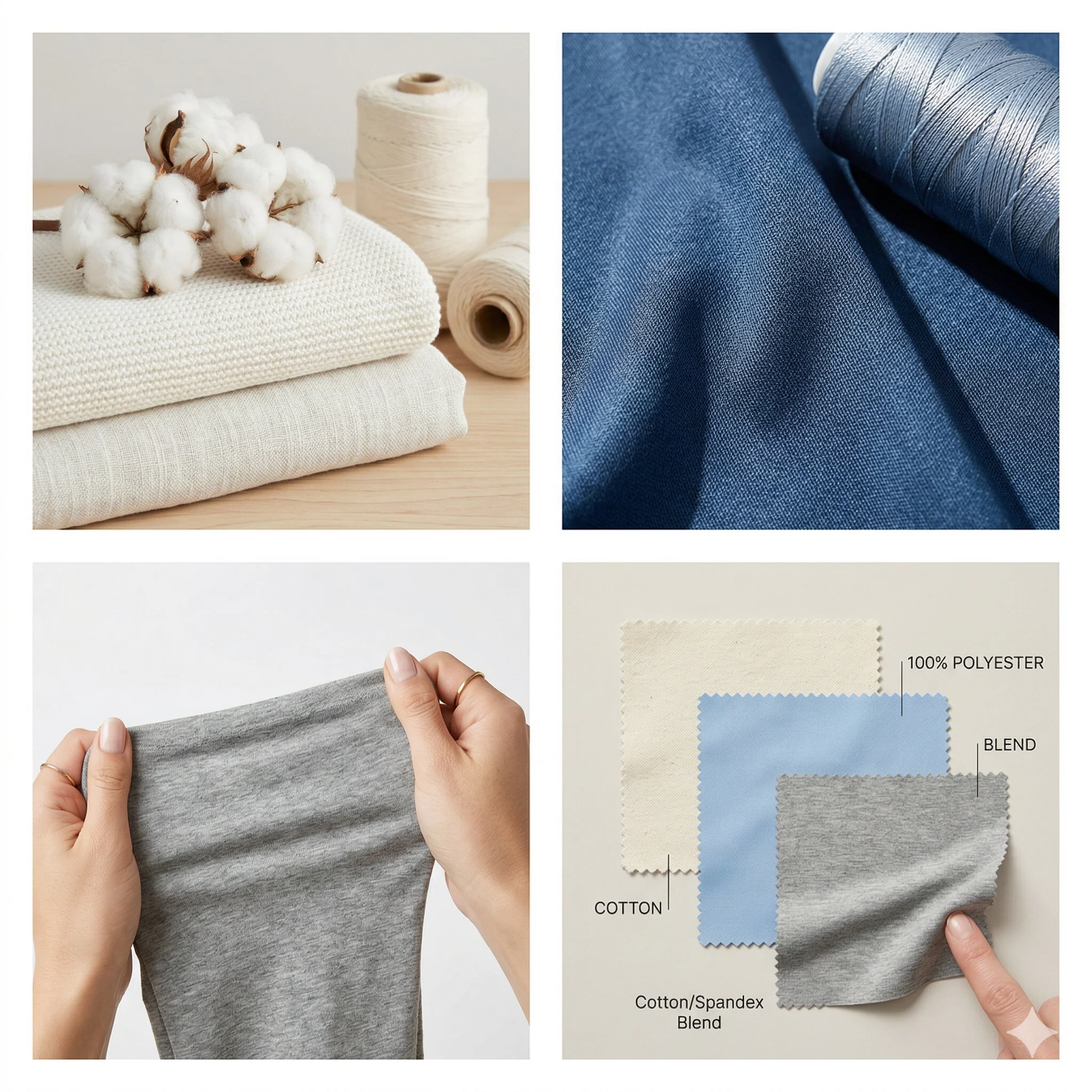
What Makes Cotton Wax Print Special
Cotton wax print begins with a natural fiber harvested from the cotton plant. According to Wikipedia, cotton consists mainly of cellulose, and its hollow fibers absorb moisture readily. The University of Georgia Extension explains the practical result: cotton offers excellent breathability and comfort against the skin. For wax print buyers, these properties translate into several advantages:
- A soft, classic hand. Cotton tailors beautifully into dresses, suits, and ceremonial wear.
- Deep dye absorption. The fiber takes color well, producing rich, saturated prints on both sides of the cloth.
- Natural comfort in heat. Cotton draws sweat away from the body, which matters in hot, humid climates.
However, cotton has a few drawbacks. It wrinkles easily, it can shrink in the first wash unless the mill pre-shrinks the fabric, and it costs more per meter than synthetic alternatives.
What Makes Polyester Wax Print Attractive
Polyester wax print starts from a synthetic fiber derived from petroleum. The fiber retains almost no moisture — Wikipedia notes its low absorbency — which gives the fabric a very different performance profile. The University of Georgia Extension confirms that polyester fabrics resist wrinkles and need little special care. In practice, polyester wax print delivers:
- Superior durability. The fiber resists abrasion, stretching, and fading through repeated washing.
- Effortless care. Garments dry quickly, resist wrinkles, and rarely require ironing.
- A lower price point. This matters for high-volume wholesale orders.
- Consistent, vivid color. Polyester holds dye well and stays bright over time.
On the other hand, polyester breathes less than cotton, so it can feel warmer in extreme heat. For many African markets, this trade-off matters little because buyers value the easy care and the lower cost.
Cotton vs Polyester Wax Print: The Direct Comparison
The cotton vs polyester wax print comparison below highlights the practical differences that buyers care about most. In short, no single option wins every category — the right choice depends on your customer base.
How to Choose: Match the Fabric to Your Market
No single answer fits every buyer, so base the cotton vs polyester wax print decision on your specific customers:
- For ceremonial wear and premium tailoring, choose cotton. Weddings, naming ceremonies, and formal occasions demand the drape and prestige of natural fiber.
- For everyday fashion and mass-market clothing, choose polyester. Lower cost and easy care win over price-sensitive shoppers.
- For hot, humid regions, weigh both. Cotton offers comfort, while polyester dries faster after rain or washing.
- For wholesale diversification, stock both. Many retailers report that offering cotton and polyester versions lets them serve two customer segments from one supplier.
Both Options from One Factory
Weifang Tianhong Textile has produced wax prints since 2002 at our integrated plant in the Weifang Comprehensive Bonded Zone, Shandong, China. We weave, dye, print, and finish in-house, with an annual output exceeding 80 million meters. Our premium African wax print fabric comes in both 100% cotton and 100% polyester versions, and it carries the print on both sides with reactive dyes. Review our wholesale program, explore the full wax printed fabric collection, or request a custom design for your brand. Moreover, we recommend ordering a physical sample before bulk production — feel the hand, wash it twice, and check the color under store lighting. Contact our trade team for samples and quotations.
FAQ About Cotton and Polyester Wax Print
Q: Is 100% polyester fabric a genuine wax print? A: Yes. “Wax print” describes the printing process, not the fiber. Polyester wax print goes through the same double-sided, wax-resist printing as cotton, and many African mills and importers sell it widely.
Q: Which fabric lasts longer: cotton or polyester wax print? A: Polyester generally lasts longer in daily wear because the synthetic fiber resists abrasion, stretching, and fading. Cotton offers superior comfort and prestige but requires gentler care.
Q: Does cotton wax print shrink in the wash? A: Cotton can shrink in the first wash unless the mill pre-shrinks the fabric. Always ask your supplier about pre-shrinking and test a sample before ordering bulk.
Q: Which wax print is cheaper: cotton or polyester? A: Polyester wax print costs less per meter because the fiber itself is cheaper to produce. Cotton commands a premium for its natural comfort and classic hand.
Q: Can I buy both cotton and polyester wax print from the same factory? A: Yes. Tianhong Textile produces both versions in one integrated plant, so you can mix cotton and polyester prints in a single order and simplify your logistics.
Conclusion
The cotton vs polyester wax print decision comes down to your market positioning. Choose cotton for premium, ceremonial, and comfort-led segments; choose polyester for affordable, durable, everyday fashion. For buyers who want flexibility, an integrated manufacturer like Tianhong Textile supplies both from one factory — with samples, custom designs, and reliable delivery to match.