In the global textile industry, the supply chain is often fragmented. A typical garment might start as yarn in one factory, be woven into fabric in another, dyed in a third, and finally sewn in a fourth. While this “multi-vendor” approach is common, it often leads to inconsistent quality, hidden costs, and logistical nightmares.
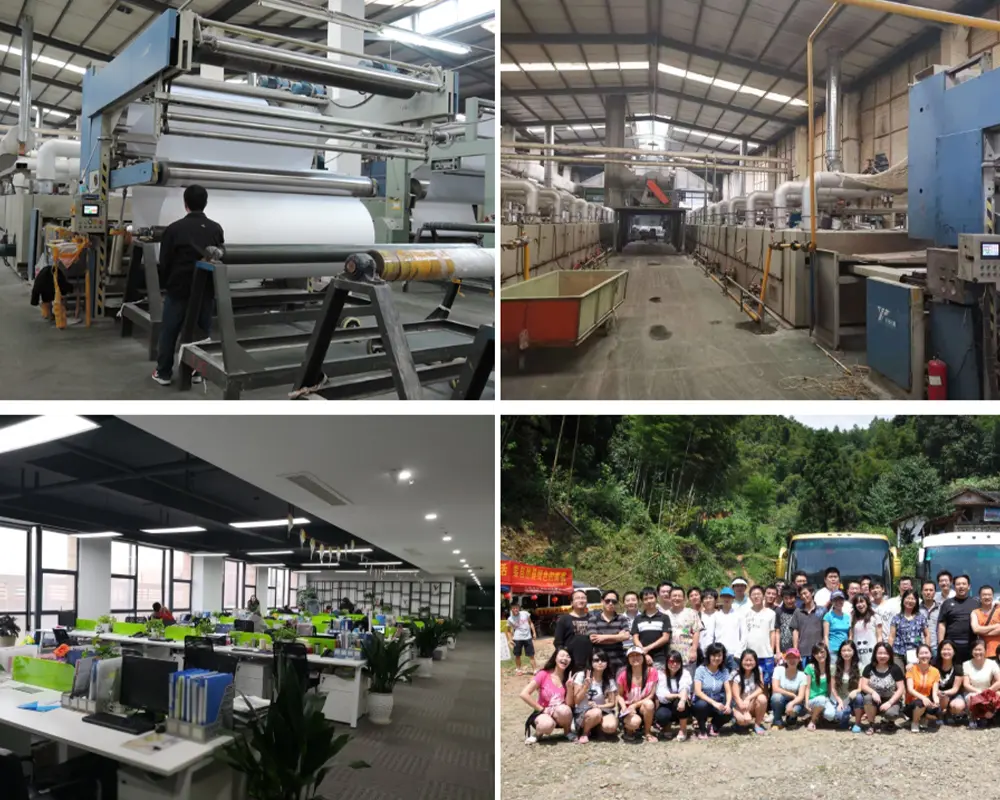
At Weifang Tianhong Textile Co., Ltd, we operate as a fully integrated textile enterprise. By controlling the process from raw material to finished goods across our 162,373㎡ facility, we provide our partners with a massive competitive advantage.
Here is why working with an integrated factory is the smartest move for your B2B sourcing strategy.
1. Unmatched Cost Efficiency (Eliminating the Middlemen)
In a fragmented supply chain, every factory adds its own profit margin and transportation cost. When you source from an integrated manufacturer:
- Reduced Markups: You aren’t paying for the “middleman” profit margins that accumulate when fabric moves between different companies.
- Logistical Savings: There are no inter-factory shipping costs. The material moves seamlessly from our 600 water-jet looms to our dyeing and printing sections, passing the savings directly to you.
2. Total Quality Control (The Continuous Feedback Loop)
Quality issues in textiles often arise because the dyeing factory blames the weaving factory, and the weaver blames the yarn supplier.
- Single Accountability: In an integrated setup, there is only one standard of excellence. We monitor the yarn quality before it hits the looms, and we inspect the weave before it enters the dye vats.
- Consistency: Because we control the chemical compositions in our own dyeing and printing facility, we can guarantee color consistency across massive orders—a feat that is nearly impossible when outsourcing different stages.
3. Significantly Faster Lead Times
Time is money in the fashion and home textile world. Traditional sourcing is at the mercy of multiple production schedules and trucking delays.
- Synchronized Production: Our spinning, weaving, printing, and sewing departments work in a synchronized rhythm.
- No Transit Delays: We don’t wait for a shipment of greige fabric to arrive from another province; it’s already in our warehouse. This allows us to move from a design concept to a shipped container in record time.
4. Superior Customization and Innovation
When a factory controls the entire process, the possibilities for customization are endless.
- R&D Flexibility: Want a specific yarn count combined with a unique wax print pattern? We can adjust the looms and the printing plates simultaneously to create a truly bespoke product.
- Agile Prototyping: We can produce samples faster because we don’t need to coordinate with external vendors for material or processing.
5. Transparent Sustainability and Compliance
Modern B2B buyers must prove their supply chain is ethical and environmentally responsible.
- Easier Auditing: Auditing one integrated factory is far simpler than auditing five separate vendors.
- Environmental Oversight: At Tianhong, we manage our own wastewater treatment and exhaust heat recovery systems. When you partner with us, you have clear, verifiable data on the environmental footprint of your products.
Tianhong Textile: Your One-Stop Textile Powerhouse
With over 20 years of experience, Tianhong Textile has evolved into a powerhouse equipped with:
- 8 Texturing Machines
- 600 Water-jet Looms & 150 Air-jet Looms
- Dedicated Printing & Dyeing Facilities
- 300 Sewing Machines & 50 Cutting Units
We don’t just supply fabric; we provide a complete textile solution. By integrating production, sales, and export, we ensure that your orders are completed on time, to specification, and at the most competitive price point in the industry.
Experience the Power of Integration
Stop managing multiple vendors and start growing your business with a partner who does it all. Contact Tianhong Textile today to discuss your next large-scale project.
👉 [Inquire About Our One-Stop Services]
👉 [Take a Virtual Factory Tour]